Mysore
Circa 2012, yours truly and friends had done a Mysore-Ooty-Coimbatore cycle ride. The missus was not impressed with the challenges on the ride – so I decided that the family would benefit from going through the same experience. Except, that they wanted to replace the cycle with motorised transport. So we boarded the train at Pune and travelled 24 hours to reach Mysore the next evening. The girls were off to tourism immediately as they were off to Chamundi Hill, whereas yours truly chatted up with old friend Krishna Kumara, as we waited for the girls to return. Dinner was with the Kumara family. We returned to our Gujarati Samaj guesthouse in Yadavgiri. We started the next day with breakfast at Hotel Anand Vihar in the Yadavgiri industrial area. The Ideal Jawa factory of 40 years ago has metamorphosed into upscale residential towers. This has led to the gentrification of the industrial canteen. On the plate was idli, dosa and coffee – to which we added some sinful mango kesari bhat.
The first pit stop was the Mysore Zoo. We visited the zoo after about twenty years. The major memory bullet point of that visit: the giraffes. This visit’s memory bullet point: the gorilla. Infosys has sponsored 3 enclosures – each with a solitary gorilla inside. There were chimpanzees too – but they looked too human-like, read – too familiar, so a bit boring. The gorilla story is one that offers a dash of familiarity. Makes it relatable.
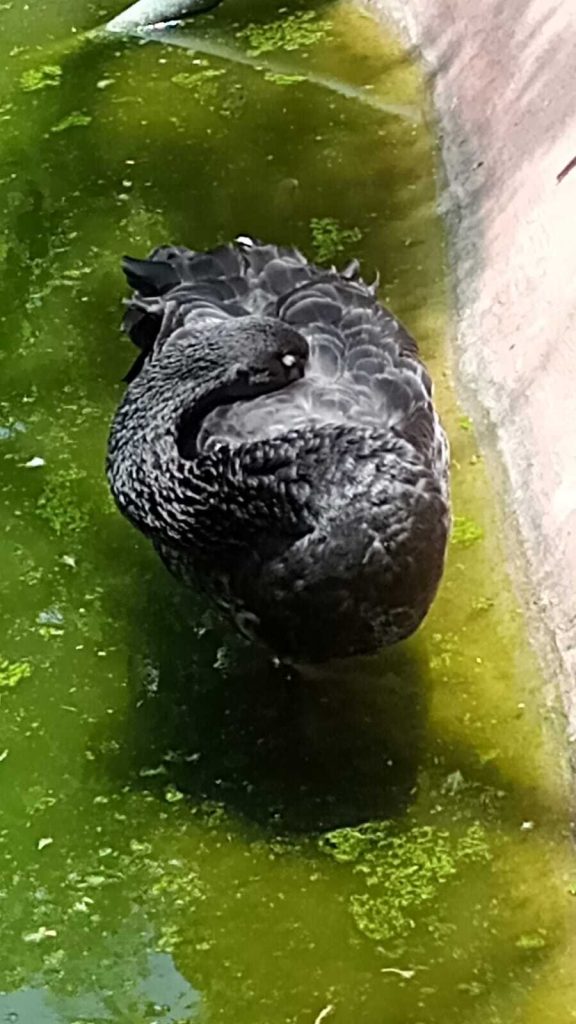
Nassim Nikolas Taleb Fans with love this
There are always the unknowns that keep you glued to your seat as the story unfolds. To me, every gorilla looked like an alpha male: the muscular forearms, reminding one of Popeye the sailor. The long hands competing with those of Michael Phelps – the Olympic swimming champ. Seeing a gorilla walk makes you rethink the jungle kinghood’s rightful ownership. It has to be handed over from Lion bhai to Gorilla bro.
After a winding 3 km walk through the zoo, it was feeding time again. The younger daughter had decided that we needed to sample the Myalari dosa. (Note to Google Auto correct: not malaria). So we drove down to the ancient establishment of the Vinayaka Myalari, established 1938, and sat down on the very 1970s stuffed sofas to gorge on the only item on the menu. The Myalari dosa is a bit like the Benne or Davangere dosa – comes with a filling of cabbage and an amazing chutney. There is liberal use of oil, crowned with a spoon of butter.
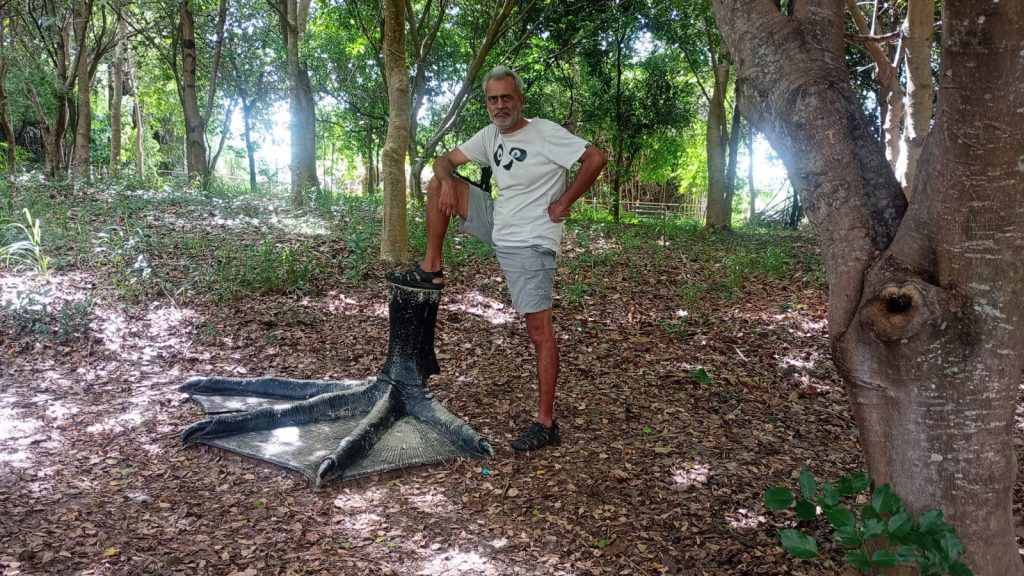
After the dosa stuffing, it was time for a siesta in the car. We drove down to the Ranganathittu bird sanctuary. It’s about 15 km from Mysore, near Srirangapatna. This is Tipu Sultan territory. (Note to Google Auto fill, Tipu not terrorist). The sanctuary is quite linear – stretching a hundred meters across and probably a km along the river bank. The Cauvery does some splits here to create a cluster of islands which serve as a nursery for a variety of herons, cranes and pelicans. Each island has a different species that dominates the nesting. An abundance of fish and a smattering of crocodiles complete the food chain.
I have two birder friends, Ajay Jandial and Shantanu Ghosh, who have been inspirations in all matters ornithological. They have invested fortunes on cameras. I am happier to travel without the extra kgs of camera payload, just observing bird behavior. A pelican in flight is poetry in motion: legs stretched behind in a smooth glide, no unnecessary wing flaps, the angling of the legs in preparation of landing on a tree top. What was intriguing was a kind of regurgitation as the pelicans perched. Probably a pre-digestion ritual for the kids that were busy pestering the parents for more calories.
And calories reminds me that Ranganathittu is home to quite a few jamun and mango trees. We could salvage some fallen jamuns, but the mangoes were already sampled, more by crows than cranes. We bought a kilo of jamuns on the way back, possibly the sweetest, juiciest jamuns I have eaten in the last 50 years. Added a kilo of Payari mangoes – at half the rate of what Punekars are accustomed to.
The last pit stop was the Mysore palace. We reached at 1700 hrs, and were told that closing time is 1730 hrs. You start by depositing your footwear. I kinda like that. It makes you feel that you are entering someone’s house, which you are, so what if it’s called a museum now. It keeps you electrically earthed and mentally grounded. The brisk walk through the corridors and halls of the palace seemed a deja vu of the Udaipur palace we had seen a year ago – sans the weapons. The memory bullet point would be the gold ornaments, used by the elephants at Dashera, which were sponsored by the State Bank of Mysore! A minor memory bullet point would be the paintings. One got to admire the sartorial tastes of yester-years. Overall, I found the grounds more impressive than the huge halls and the chandeliers.
The next day started with a morning walk sans the phone. It’s quite an adventure to go out for a walk in an unknown place – especially if you decide to take a circular route. The probability of some random line segments forming a closed figure is quite low. So it was with us, at one T junction we had to take help to find out which turn took us closer to Yadavgiri. I quite admire the Australian aborigines who use east and west instead of left and right in their lingo. Civilisation has made us lose most of our sense of direction.
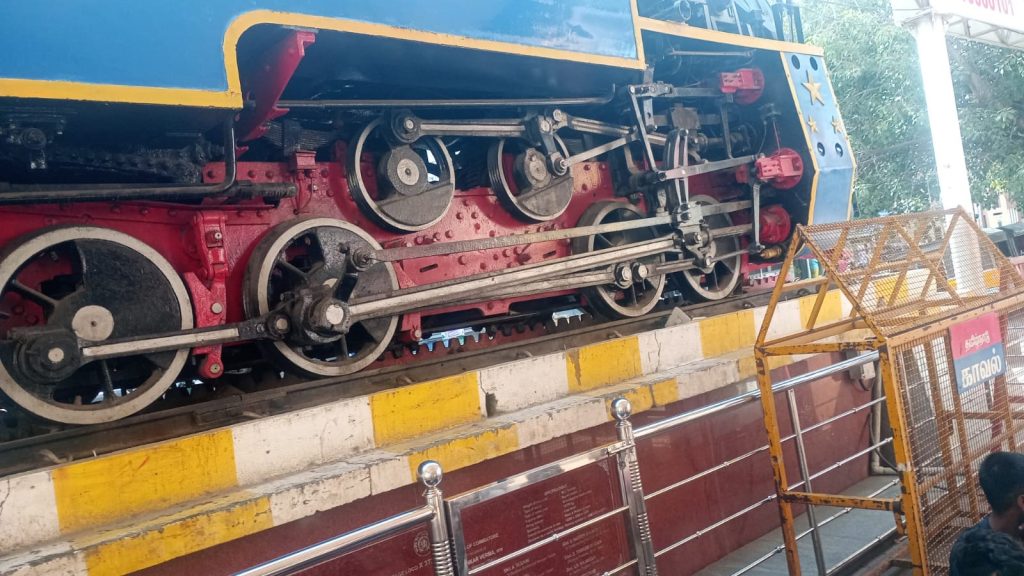
Breakfast was a repeat of the previous day’s affair at Anand Vihar, the difference was the company – we had KK joining us. The only small difference was that we had a jaggery kesari bhat, as they were out of mangoes. We then went across the railway museum. The girls had a dekko and enjoyed a complimentary toy train ride. KK and Yours Truly chatted about the future of online education.
The girls finished their rail museum tour by 1200 hrs and then drove down for chai at KK’s place. After that, we took a Rapido cab to Mysore Suburban bus stand. Our bus was coming in from Coimbatore. The bus departed 25 min before its scheduled departure of 1400 hrs. The good news is that the bus conductor called up twice on my cell phone to coordinate our early arrival. The 160 km journey to Ooty took 5.5 hours with a coconut water break enroute.
We reached Ooty in time for dinner. Gemini recommended A2B Anand Adyar Bhavan in Ooty market. The hotel was overcrowded – and the Punjabi Thali was a wee bit overpriced at Rs. 300. I sometimes wonder why tourists find comfort in going to familiar food chains. After all, what is life without some food adventures?
We then walked 1.5 km to our hotel – the Forever Cottage. We were to stay 6 days here – close to forever by normal touristy standards.
Ooty, Day 1
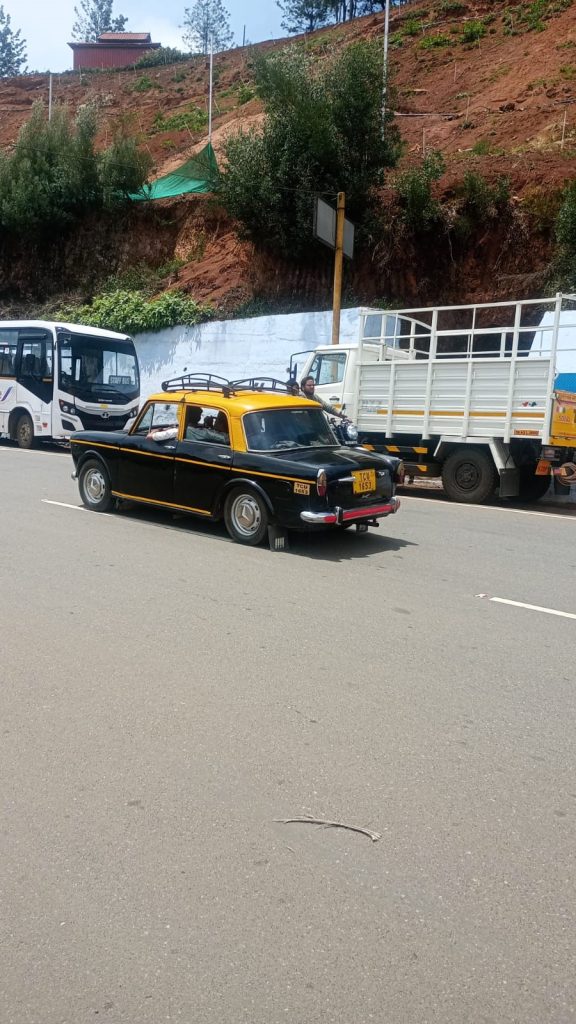
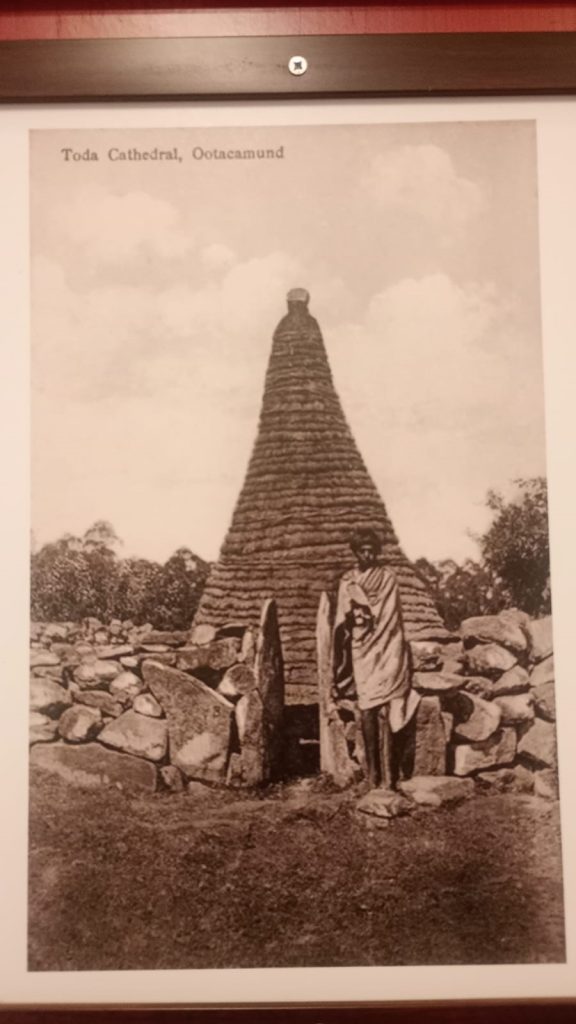
Nostalgia at Ooty – A Premier Padmini
Forever Cottage is in reality a two storeyed building perched on a hillside – the rooms were facing the hill though. The good part was a lot of space in front – which would have been good if we had come by car. But there were others who had – the park was used to park cars. The rooms were spacious, good VFM – but could have had better windows and views, as we were on the ground floor. Probably, the first floor rooms benefitted there.
The first morning in Ooty started with a walk, as we walked through a pine forest past the next door Botanical Garden. What is remarkable about Ooty is how they have managed to retain large sized vegetable patches all across the town. Circular routing followed again – but this time we had the phone, so we used Google Maps to navigate a few zigzag roads down the hillside to get back. Cleanliness is an issue at Ooty – possibly because we were trekking though the not so upmarket areas of the town. Kodaikanal is probably cleaner, as they enforce the plastic ban with more rigor. There are some measures which are helping – the municipality has temporarily stopped giving permissions for new commercial buildings.
We stopped enroute for a standing breakfast of Idli-Wada. The elder daughter’s stomach launched a non-cooperation movement – and so we were marooned in the room for the rest of the morning, venturing out for lunch to the nextdoor Sri Durga hotel. Amazing VFM. In a place like Ooty, they served a homely rice plate @ just 80 bucks. This was one of the two hotels that got a repeat visit.
The afternoon siesta was a tradition that had to be maintained. That done, early evening, we decided to do a short trek on the Dodabetta road – wondering if we can walk all the way to the peak, about 6 km away. Dodabetta, at 2600 m altitude, is the second highest point in the Western Ghats, the highest being a Kerala peak in the neighbourhood, which is taller by a few hundred feet. The trek was abandoned because of traffic. We took a U turn and got a local TNSTC bus to Ooty market, discovering to our pleasure that bus travel was free for the girls.
I did what I liked best at the market – veggies shopping, buying mangoes, cucumber, carrot, lemons. There was a light drizzle as we walked around. The girls had decided that they needed to up their fashion quotients – and ended up buying some rainwear and warm jackets. The temperature was hovering around 18 to 20 C. I had experienced this thermal shock even when I had last visited Ooty 15 years ago, cycling along the same route. (Refer to the previous blog over here.) Like last time, I decided to use multiple layers of T-shirts to survive the cold.
The body consumes around 150 W of energy – with 100 of those watts used for basic metabolic functions – and the surplus used for cycling and other muscular work. I think the metabolic consumption increases when you are in a cold place – with calories required to keep the body warm in the cold climate. My T shirt and Shorts attire was required to test the hypothesis about weight loss being linked to choice of clothing.
Ooty, Day 2
The plan was to summit the Dodabetta peak. Incidentally Ooty is home to the High Altitude Training Centre of the Indian Athletic Association, which was also in the cottage’s neighbourhood. I looked at Google Maps and saw a road coming directly from Ooty Market to Benchmark Tea factory. I assumed that the bus to Dodabetta will take that route, and so the decision was made to trek to that point – about 2 km from the cottage. Halfway through the short trek, the girls got hunger pangs – and we stopped at a roadside joint for a breakfast of idli and omlette. The idlis were as fresh as fresh can be – because the batter was put into the idli moulds right in front of us. Washed the breakfast down with a coffee. The elder daughter has retained a good food sampling strategy from her childhood days, if things are not to her liking, she passes of the leftovers to her parents. So the coffee was passed on to her mom.
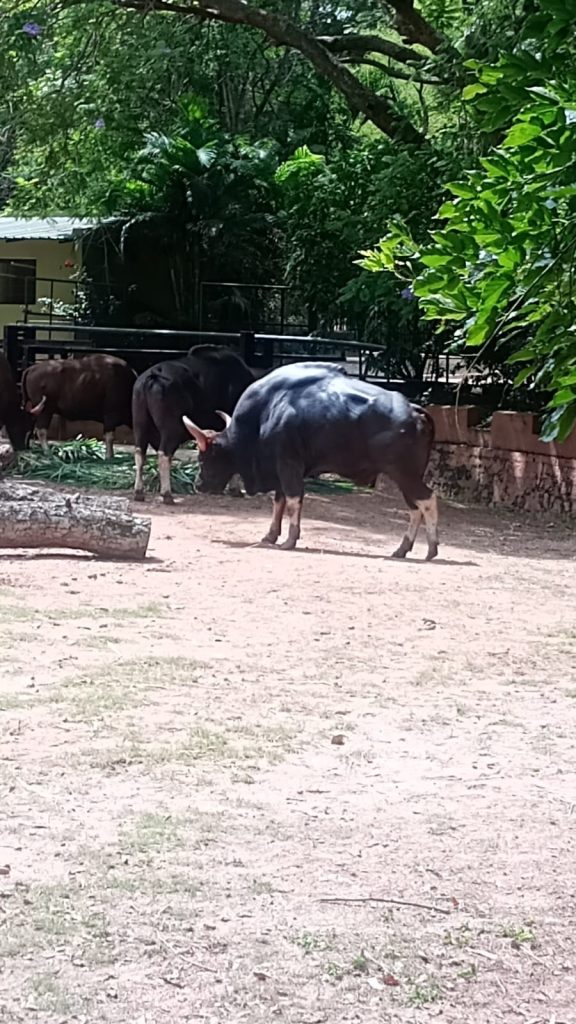
We reached Benchmark Tea Factory bus stop and realised that our assumption about the bus route was not really accurate. The bus came the same way that we had trekked. Nevertheless, we got in and rode 1.5 km to the Dodabetta stop, which was 3 km below the summit. Trekking was what we had come for – and we were looking forward to the trek, when we got stopped by the TN Police force. The trek was through reserve forest – and there had been bison encounters in the past – and if you are really unlucky, maybe a leopard encounter too. (Just for the record, the next day, some bison did walk in to feed on the grass near the cottage – I first mistook them for the stray buffaloes but the aggression and speed made me realise my mistake.)
We had to hire motorised transport to reach the top. It was Sunday morning, and there were a dozen jeeps parked to do the rounds. We were told that Rs. 80 was the round-trip cost, the only trouble – they wanted a full load of 10 passengers. There was a constant barrage of tourist buses that were coming in – providing the jeep owners with more steady income – so we were constantly jettisoned. Till, a saviour came in in the form of a forest department bus, which does the return trip in Rs. 50.
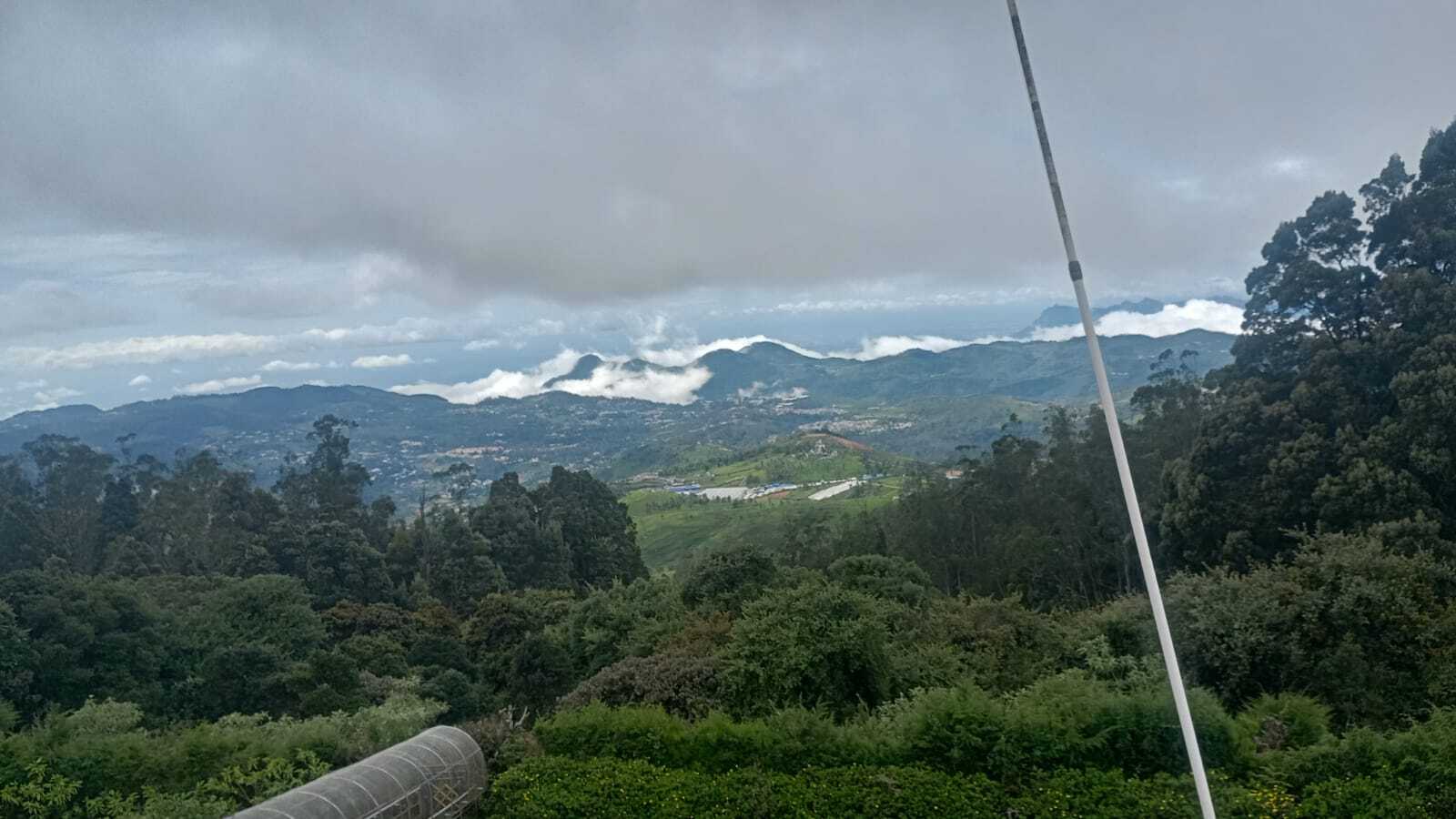
We summited in 15 minutes – and were told to come back in an hour for the return journey. The peak was chock-a-block with folks in their Sunday best – getting their Instagram profile photos clicked at all angles in multiple backgrounds. I usually assist such photography – and demonstrate my trial-and-error method by clicking 10 shots in 15 seconds. The customer usually ends up getting one decent shot. By the time we could say Cheese the one hour was up – and we jogged down to the bus. The return journey took us 30 minutes, because of ‘peak’ Sunday traffic. I think a good idea would be to have a Matheran style ban on cars in hill stations – it would help the local transport sector – and make the roads more walkable.
We reached base camp and found that none of the packed local buses were ready to let us board. The decision was simple – just trek back. After a 4 km trek, we decided to have a traditional Malabar lunch at Thalassery Thakkaram, the latter in Malabar lingo means -Welcome Feast. On our menu was the veg thali and finger lickin’ mushroom biryani. The veg thali also had complimentary fish curry, but we let that pass. Thanks to the sumptuous lunch, the daughters overdid their noon siestas.
Yours truly and the better half went trekking again post siesta – this time in the friendly neighbourhood government botanical garden. We faced the usual Sunday photography obsessed crowd – with crowds around every tree that you could see. The 55-acre garden is built on a hillside – and one can be sure of one thing, the higher you go, the lesser the competition. The crowds thinned as we went to the peripheral upper paths. Most of the trees had date tags – we could find the oldest tree from the 1950’s, though the park was set up in1850’s. Trees probably live longer than humans – and the expectation was that we would find quite a few centurions. Disappointed – I hope it is just a record keeping Issue.
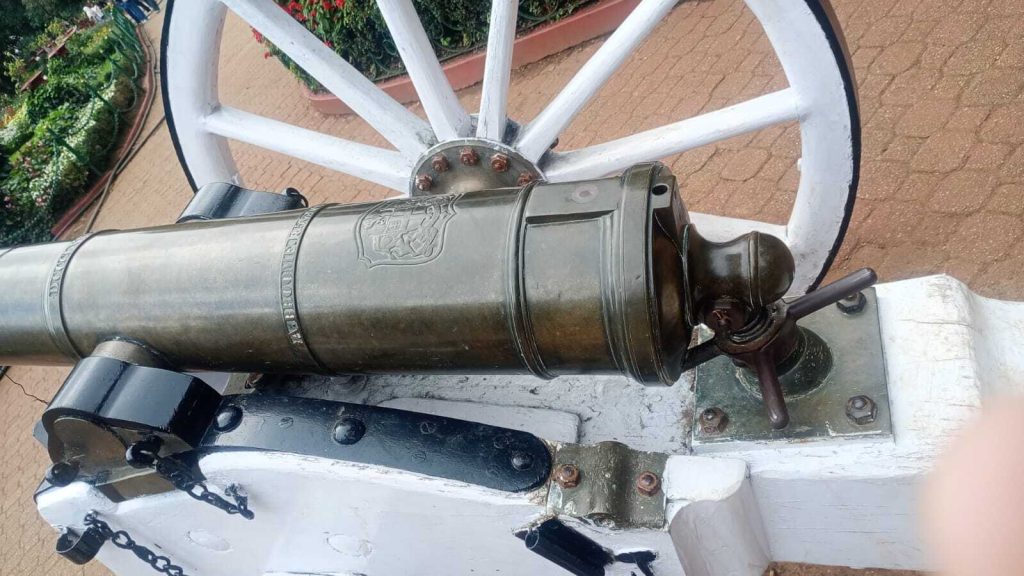
At Botanical Garden – A Cannon with an Interesting Screw Mechanism for Fine Adjustment
We crossed the gate to the Lok Bhavan – which is the new moniker for Raj Bhavan – the governor’s house. Perched above the garden was the bungalow of Ooty’s Superintendent of Police. But more importantly, we discovered a small gate which could serve as a free entry point, saving us 100 bucks if we wanted to repeat the trek. But after two hours of the botanical trail, we did not venture out again to do a repeat. We got the girls to join us for dinner. We went over to the upmarket area of Ooty, which hosted the local gymkhana – and had donner at the very mediocre but expensive Ruchi restaurant. The girls wanted to have chocolate after that – so we continued our upmarket dinner by having hot chocolate and Belgian cake at Moddy’s – the chocolate brand of Modern Stores. Btw, Modern Stores was started in 1951 – so it is quite ancient.
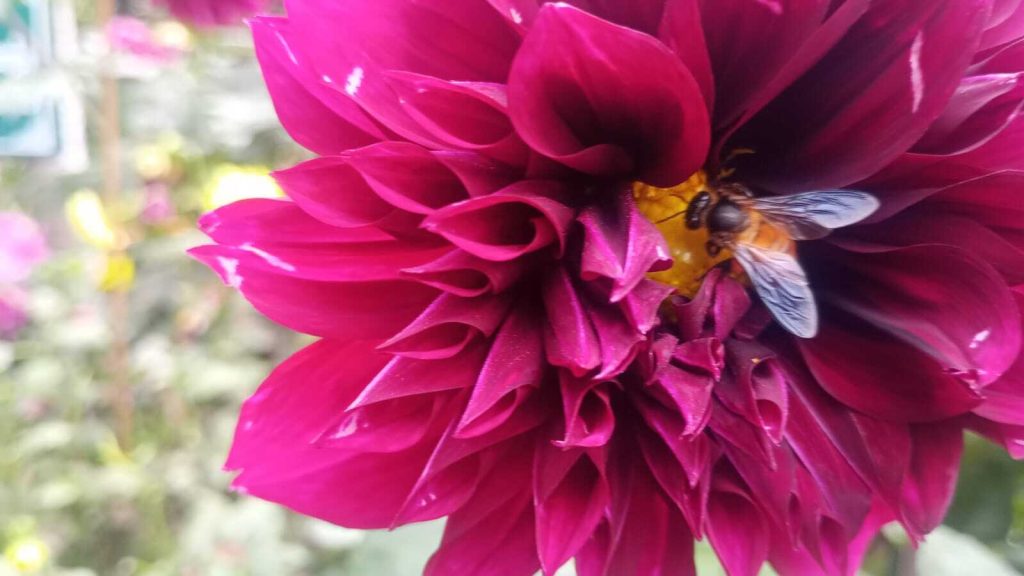
Conoor, Day 1
We started walking to the railway station at 0745 hrs. There was a slight drizzle which made the walk enjoyable. Wanted to buy some fruits for the journey but fruit shops at the Ooty market were closed. We reached the station at 0830 hrs and were greeted by a 80 person queue. Each person was allowed to book 4 tickets. We almost gave up the idea of the train journey and taking a bus to Conoor. But then we met with a good Samaritan who informed us of a separate Joyride Line. The joyride cost 10X a normal ticket, so the line was smaller, though not proportionally. The railway ticket window operation was ekdum Japanese style, Just in Time. After an hour of standing in the queue, we managed to get 4 tickets at 0940 hrs for the 0945 hrs Ooty-Ketti-Ooty ride.
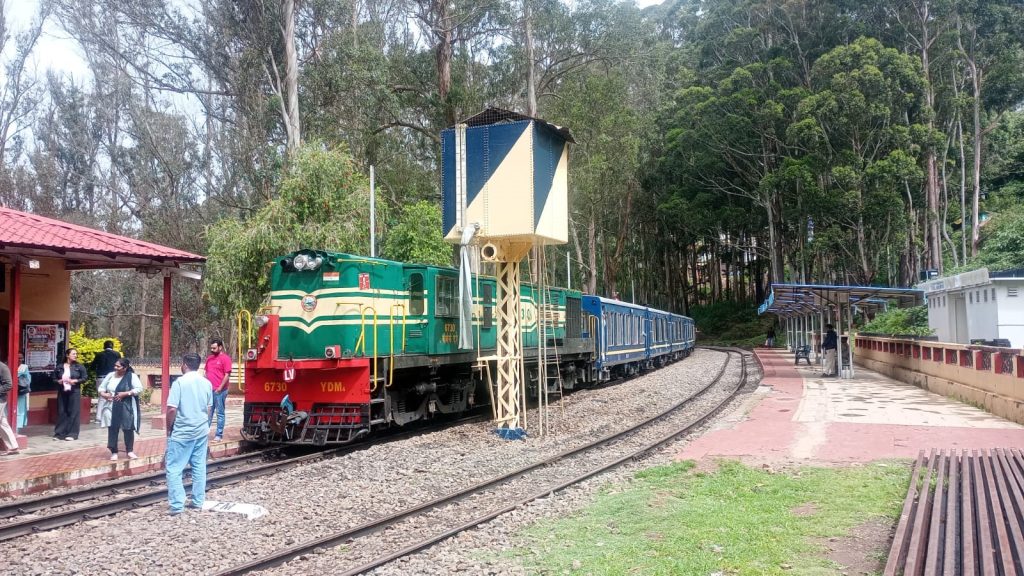
We managed to do a quick breakfast of idli and wada at the excellent railway canteen. The second-class ticket for the 20 km round trip cost a grand Rs. 350. The first-class ticket was Rs. 475, but methinks it was only a branding difference. Probably an inch more of legroom, and doors for individual compartments, marked the difference between first and second class. For passenger safety, the doors are locked from the outside. The emergency evacuation would probably entail jumping out the large windows.
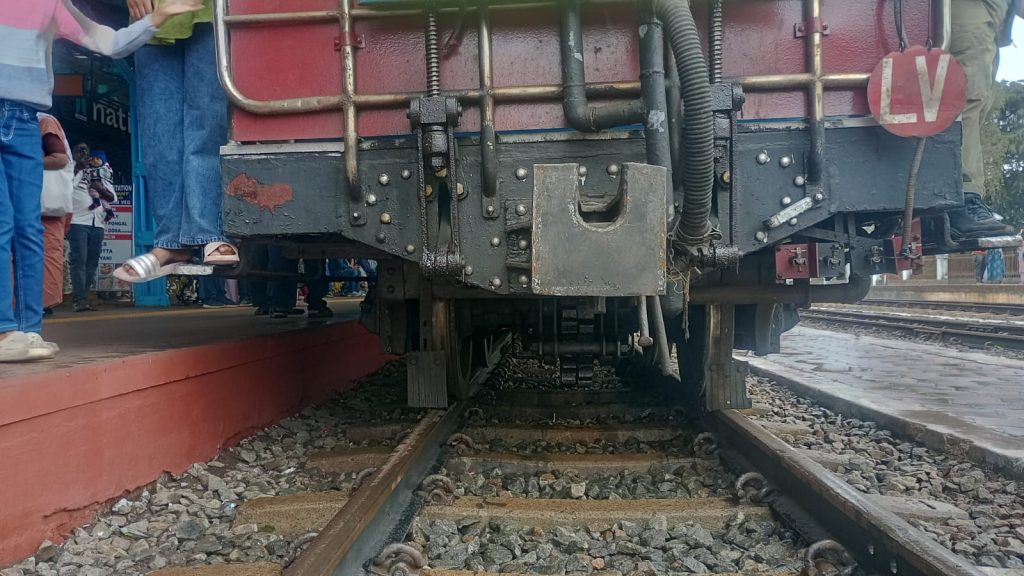
Track Scrapers ahead of the Wheels
The diesel engine of the meter gauge train chugged along through Fernhill and Lovedale as it took the scenic hillside route to Ketti. Note to future travellers: Choose the RH side If you sit facing Conoor. The valley side views are all on that side. Most families, including ours, did an exchange of seats on the return journey so that views could be shared.
The original plan had been to take the 0945 hrs train to Conoor. But the ticket was cheaper – and the unreserved tickets were sold out by 0830 hrs itself. We had contemplated getting down at Ketti and taking a bus to Conoor from there. In hindsight, good that we did not do that – Ketti is not on the main Ooty Coimbatore road. After a 20 minute photo-stop at Ketti, the engine pushed us all the way back to Ooty – reaching back by 1130 hrs.
From there, we continued with our original plan – and caught a local TNSTC bus to Conoor. TNSTC is more VFM than PMPML. The 20 km journey cost us just Rs. 16. The ladies free seat logic, I could not understand. I thought any bus which has ORD on it agrees to free travel for ladies. The Conoor bus was labelled ORD but we had to buy tickets for the ladies. As a thumb rule, TNSTC should not give concessions to anybody who looks like a tourist. But then, hardly any tourist uses public transport in Ooty!
On the way to Conoor you cross Wellington Cantonment, home to the Defence Services College – training ground for future generals and marshals of the Armed Forces. One sometimes wonders how hill stations and cantonments have continued to exist with very British era nomenclatures. I guess there is pushback from the Generals whenever politicians want to Indian-ize the Wellingtons of the world. But even then, they must let go a bit – case in point is the Indian Navy’s new logo which has borrowed from Shivaji’s.
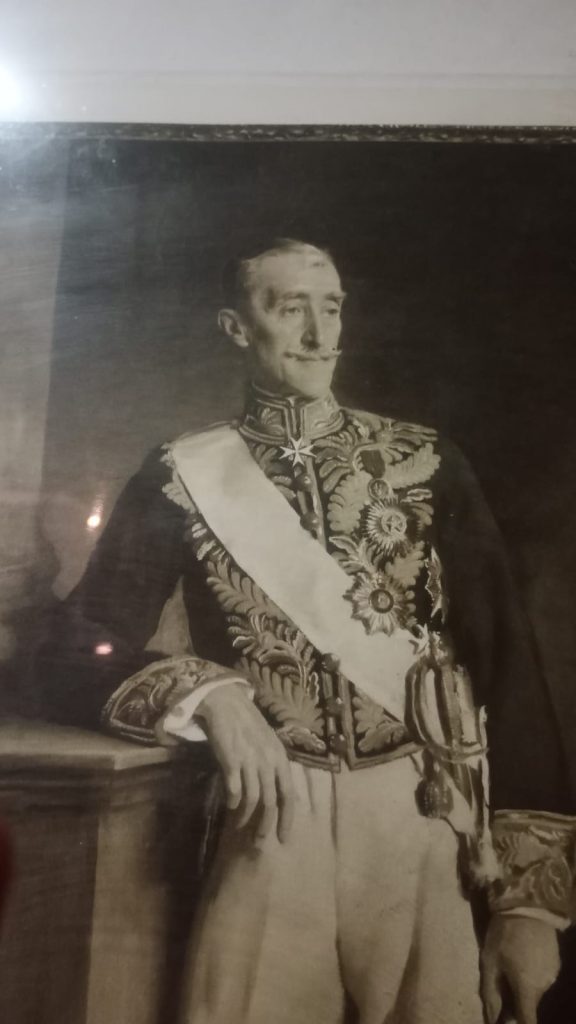
Lord Willingdon – not sure of the relation to Wellington
Gemini research on Conoor had indicated that we should visit Indian Bakery. On getting down, we found no Indian bakery but discovered 2 ‘New Indian’ Bakeries. We managed to sample cake and chai from the more crowded one, which had a New Indian Coffee House next to it. Gemini Akka had also indicated that good places for lunch would be found near Bedford Circle.
Google Maps Anna indicated that the walking route to Bedford Circle was a steep road that started right at the bus stand. It was 1300 hrs when we started the 1.5 km uphill trek. Conoor is much warmer than Ooty, being 400 m below Ooty. The Sun shone brighter, and the daughters joined together in revolt against any further treks. A human Google directed us to Hotel Conoor Junction for lunch. It is run by the Mittal family and has a great view. The background piano music adds to the gentrification. The south Indian Thali @ Rs 205 was VFM considering the ambience.
I assumed that the daughter’s would be ready for the trek to the Highfield Tea factory after the sumptuous lunch. But the pre-lunch revolt transfo0 into close-by Sim’s Park. Sim’s was a deja-vu of Ooty Botanical Garden for us but had novelty value for the daughters as they had missed visiting Ooty’s Botanical Garden. There were fewer tourists at Conoor than Ooty. Should spend more in Conoor in future trips. The good news from Sim’s was the older trees. The oldest was a Mountain Gum tree which was planted in 1880. Is tree survival better at lower altitudes?
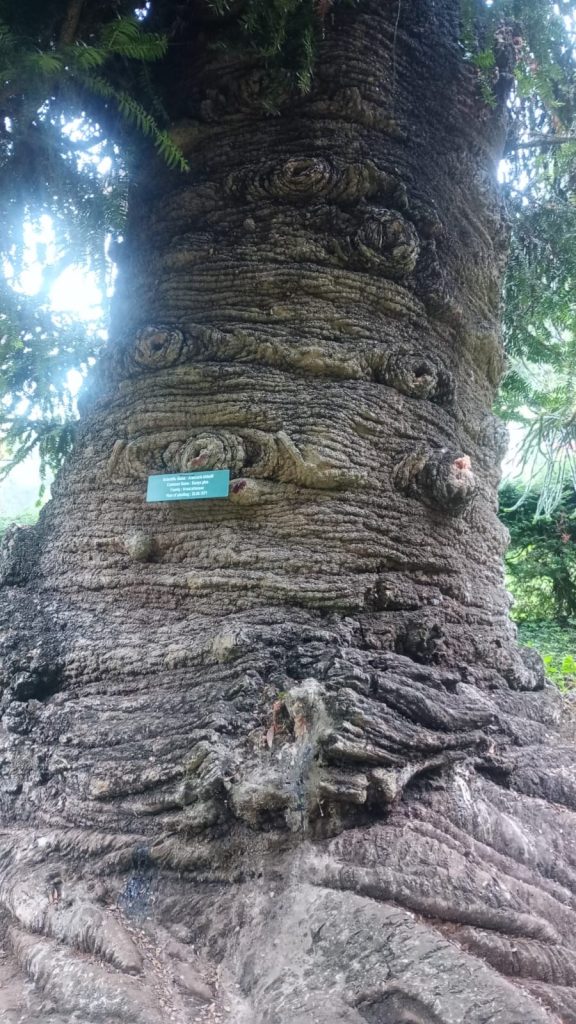
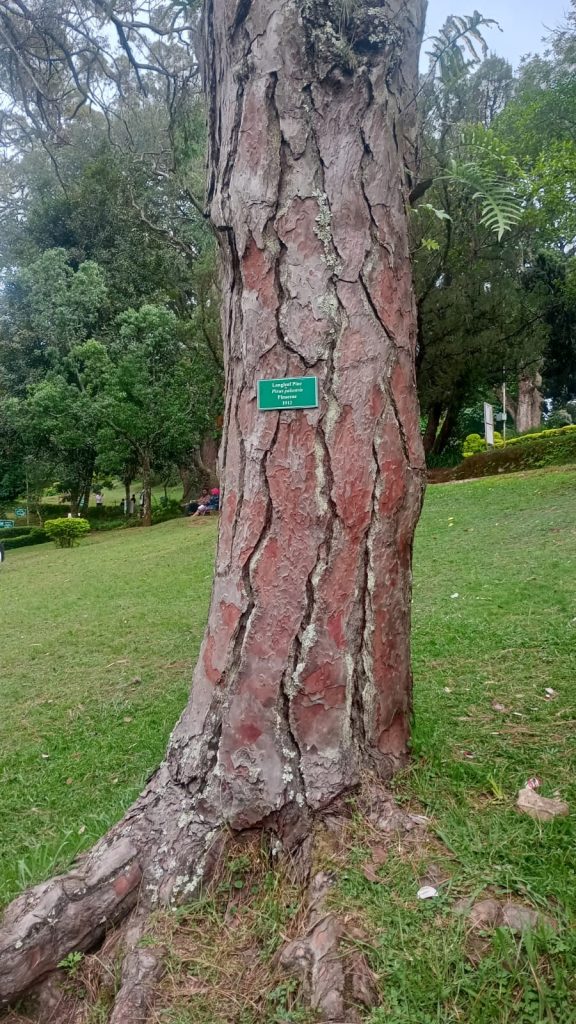
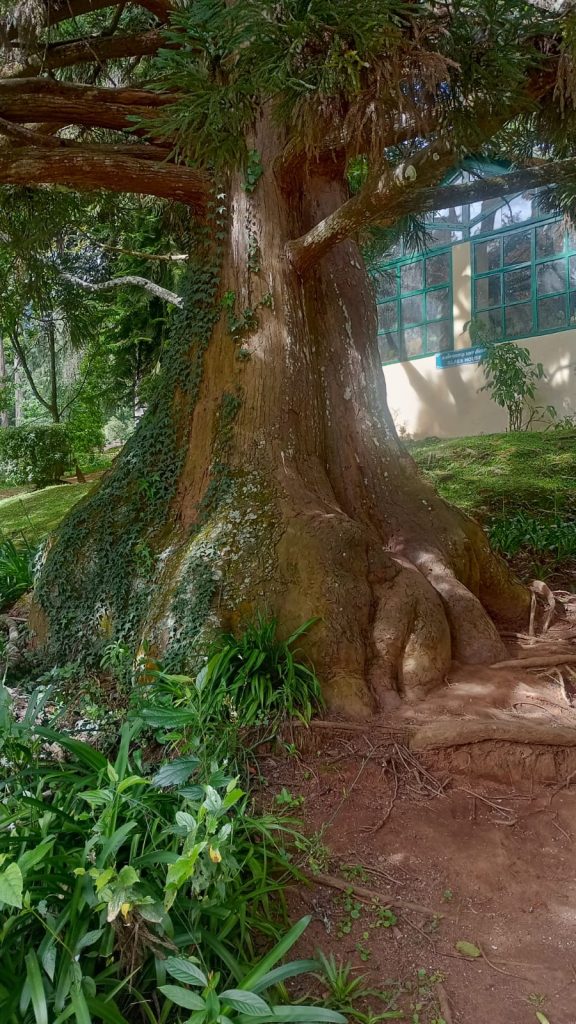
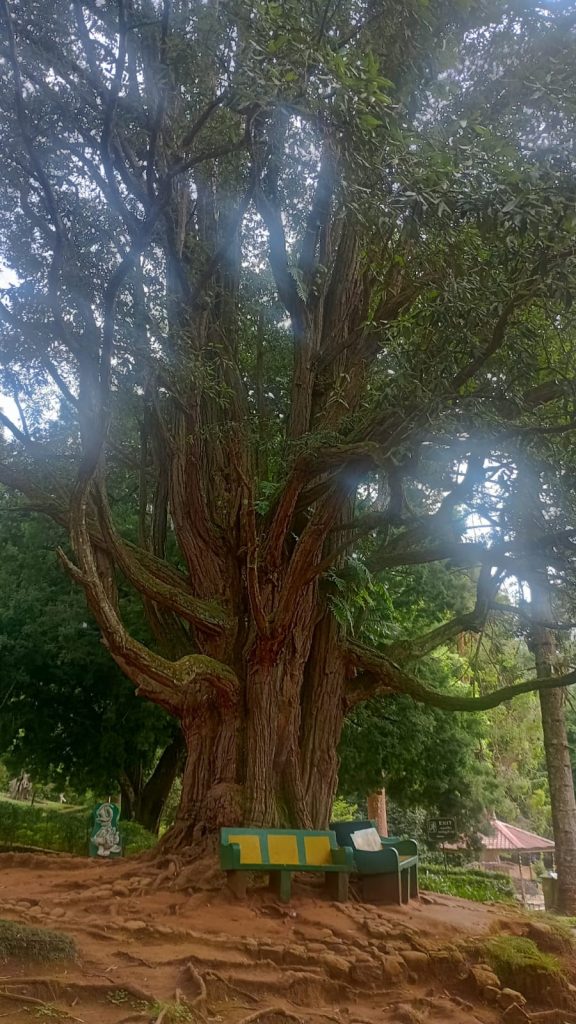
The other difference was a small pond at the bottom of the ravine in which the park is located. You can hire pedal boats for a small round of the pond. There are two bridges under which you navigate – which are marked by big schools of fish waiting for tourists to serve them snacks. The boat we got was a 4 seater, but with only 2 pedals. Do they use bevel gears to drive the propeller? Would independent twin propellers have eliminated the rudder? Maybe not, how would you navigate if you had a single pedaller.
At around 1630 hrs, we walked a km to our friend Mansoor Khan’s cottage, Stillbrook. I had only met virtually with Mansoor before. Here is the blog that I wrote on the interaction that we had done on behalf of Mindtree School, Ambala.
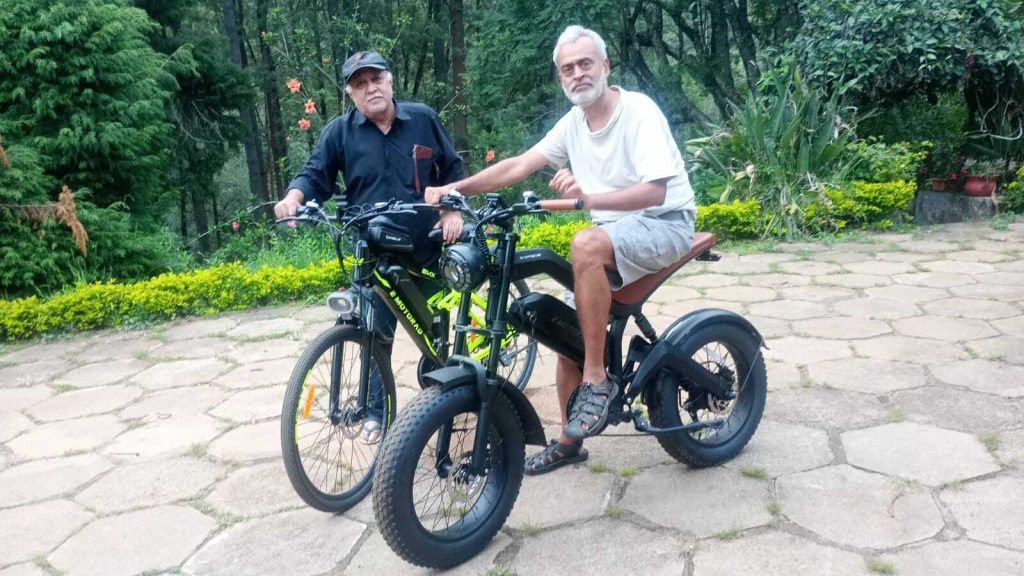
Stillbrook, unlike Forever, is a proper 150 year old cottage. Mansoor is a big fan of Conoor properties . He believes that you don’t hunt properties, they find you. He also owns a 22 acre farm, Acres Wild. It used to be a cheese farm cum home stay for 13 years – but he has now put it up for sale. Mansoor joked that he is a ‘professional drop-out’, in my parlance – a rolling stone. Acres Wild being the latest in his ‘drop-out’ list.
Mansoor and Yours Truly had got in touch, thanks to a shared love for electric cycles. He had purchased one from the now defunct Lightspeed. He has since moved on to E Motorad. He owns two of them. Drove the 50 kg Chinese import E Motorad branded Lelekuai bike. The pedal assist is more like a pedal switch. It just detects motion and switches on full power. I guess the motor is at least 500 W. RTO rules only permit 250 W motors – and cheating about motor power is rampant in the low-speed scooter and bike industry. Starting the bike is an interesting adventure. You turn on battery. Then press the power switch. And finally use an RFID reader for the bike display to come on. The ride quality was not too great – and recommended to Mansoor that he use lesser tyre pressure to improve ride quality. Balloon tyres work best with lower pressures – wh per km be damned.
And lest I forget, there was a third E Motorad too, a folding one tucked away into the stairwell of his new Urbania caravan. This is the second caravan on the property – the earlier Traveller caravan is still not retired. The new one has more whistles and bells. The whistles that I liked most were the solar Panels on the roof. During peak sun, they generate almost 900 W of power, keeping the vehicle battery charged during camping – and eliminating the need for turning on the engine every day to keep the batteries charged. Speaking of batteries, the caravan is powered by a 10 kWh LFP battery pack which feeds a 5 kW inverter.
Despite the gas guzzler caravans, Mansoor has a greener side to him. He has written two books on nature unfriendly economics that the world is pursuing. We got an autographed copy of his second book – ONE: The story of the Ultimate Myth. Mansoor has written it in Goal style, weaving philosophy into a story. We listened to the philosophy part of the book. In Mansoor-onomics, the only currency that matters – energy. Man’s hunger for energy started with fire. Though use of fire for cooking is almost universal now, there are still a few tribes on the Sentinel island, in the Andaman Sea, which still make do without it. The bigger energy shock though comes from agriculture. Hopefully, the next conversation with Mansoor should be on reversing our energy intensive lives? Maybe heftier taxes on energy?
The good news is that Mansoor is looking at adapting One into a film or drama. Mansoor was dabbling with AI to create a musical version of the book – and we got some previews of the first cuts. I think he would be better off doing the musical in Hindi instead of English. The screenplay is ready. Aamir Khan was expected later in the month to discuss the same. By the time the conversation warmed up – it was dark, and time for us to leave. We got dropped off at the Conoor bus stand in Mansoor’s Alcazar. Dinner was Dosa & Pulao at an Udupi restaurant near the stand. We caught a bus from the main Ooty Coimbatore road across the railway crossing. Got down near Charing Cross & we were back to pavilion by 2100 hrs.
Ooty, Day 3
Weekdays – Tuesdays to Thursdays – are best in hill stations, with a distinct reduction in traffic. Also, quite a few of the food stalls only operate on the extended weekends. We sampled the idli-wada-dosa fare of yet another roadside stall. This was a super VFM one – and as is the case when you compete on price, the urad dal component in the batter suffers. Small kaizen was to carry our own lemon to convert the black tea into lemon tea.
A taste for fresh air on the ride back from Conoor to Ooty had impacted the daughters’ health. Both were down with a viral. We ferried breakfast from the more trusted and expensive alternative roadside stall for the stay-at-home kids. Having fed the kids, the missus and yours truly decided to do a morning trek on their own. The destination – the Dodabetta tea garden.
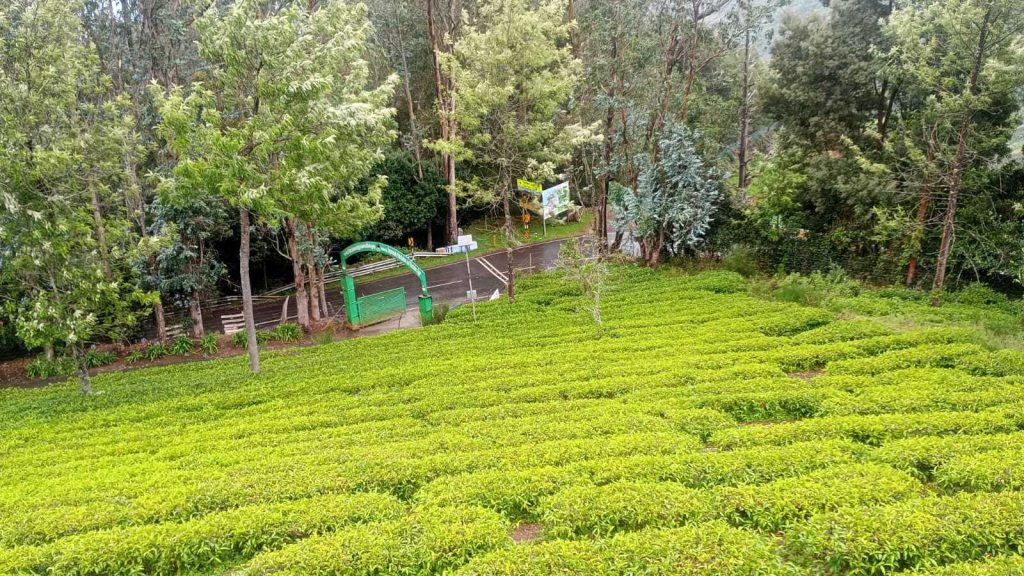
There was a slight drizzle as we started out. This time, we caught the bus from near the cottage itself and reached Dodabetta base camp in 15 minutes. The drizzle had increased in intensity by then – and as luck would have it, we found another bus going to a local village waiting at the stop, which would drop us off close to the tea garden.
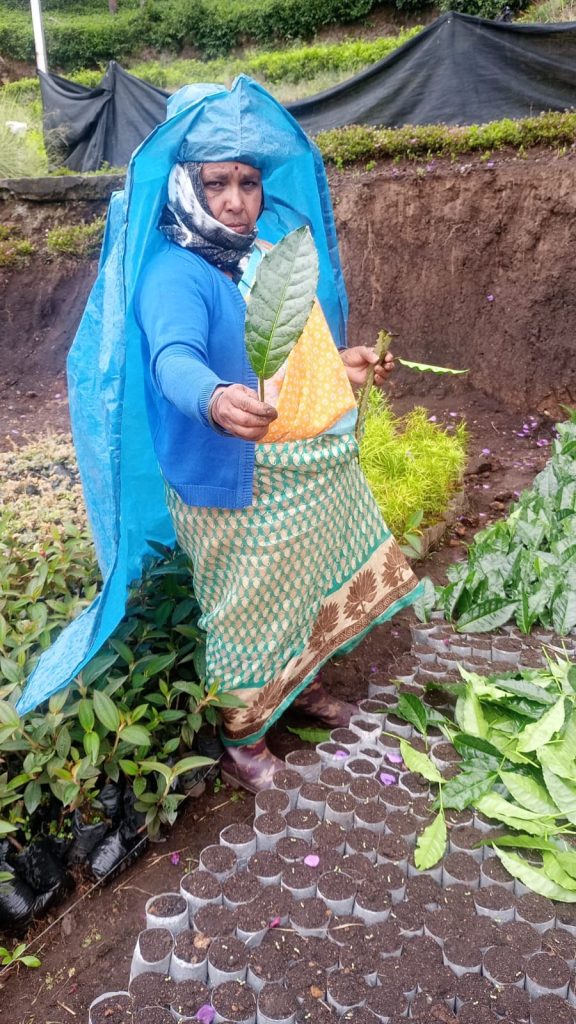
Tea Saplings Nursery – Aloe Vera is used to dip the cut stem before it gets into the Bag
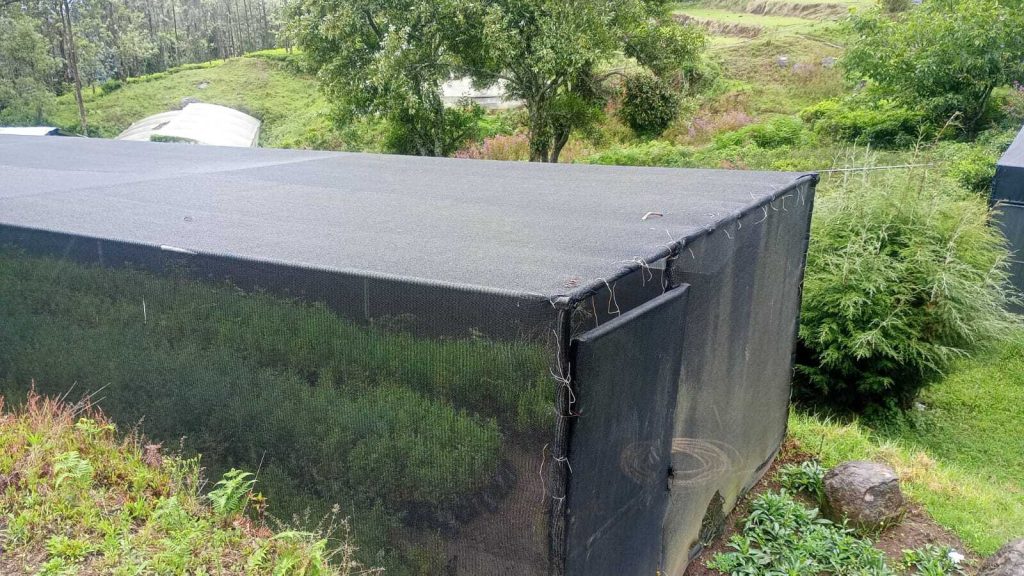
Black Green House for the Tea Saplings
The 500 m walk along the Ooty Kotagiri highway was really enjoyable – thanks to the tea gardens – and the absence of traffic. After paying up the 40 Rs, entry fee, we did the first thing that a visitor to a tea garden should do, which is to drink some steaming hot green tea. The absence of sugar added to the flavour. With some nudging from the solo tea garden employee who manned the counter, we also purchased 100 g packet of green tea. She added some complimentary tea pods – and I have yet to research what we should be doing with them. Some of them will surely go to 14 Trees, to see if we can have any tea saplings being germinated from them.
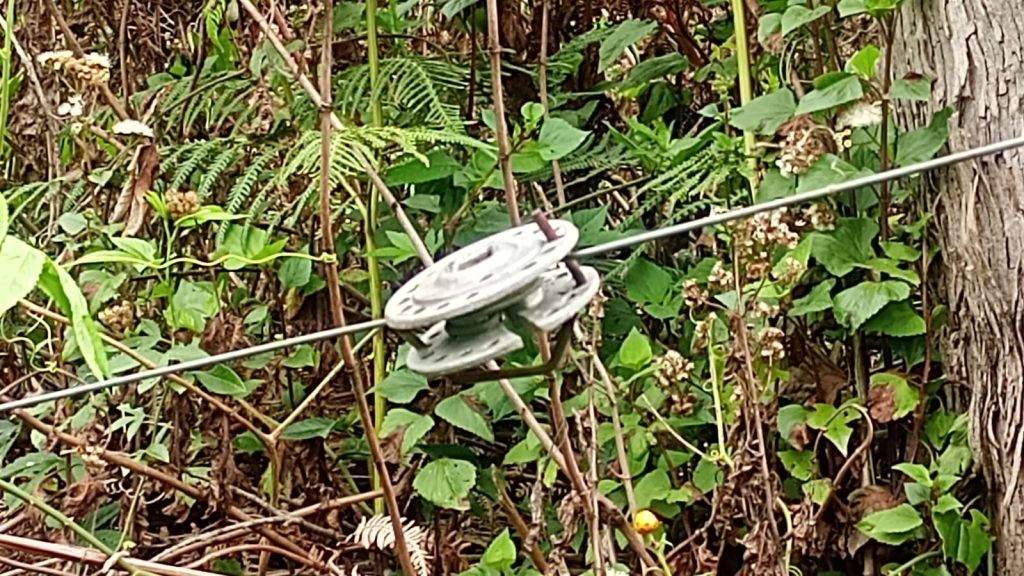
Tensioning Mechanism for the Tea Garden Electric Fence Wires
Most tourists did not have the time to trek the km long trail inside the garden. As professional trekkers, we were happy about that. There are many shelters along the way – each of them has a board that gives some information about the history of tea. Here are some nuggets. Tea cultivation started in China in 2737 BC. The Dutch were the first to get tea to Europe, 4400 years later – circa 1610. Soon Europe was addicted – and the Brits – to diversify away from the China monopoly, started experimenting with growing tea in India. The Chinese behaved exactly the way they are behaving now with rare earths. They held on firmly to their tea bushes – with nothing getting into the British hands.
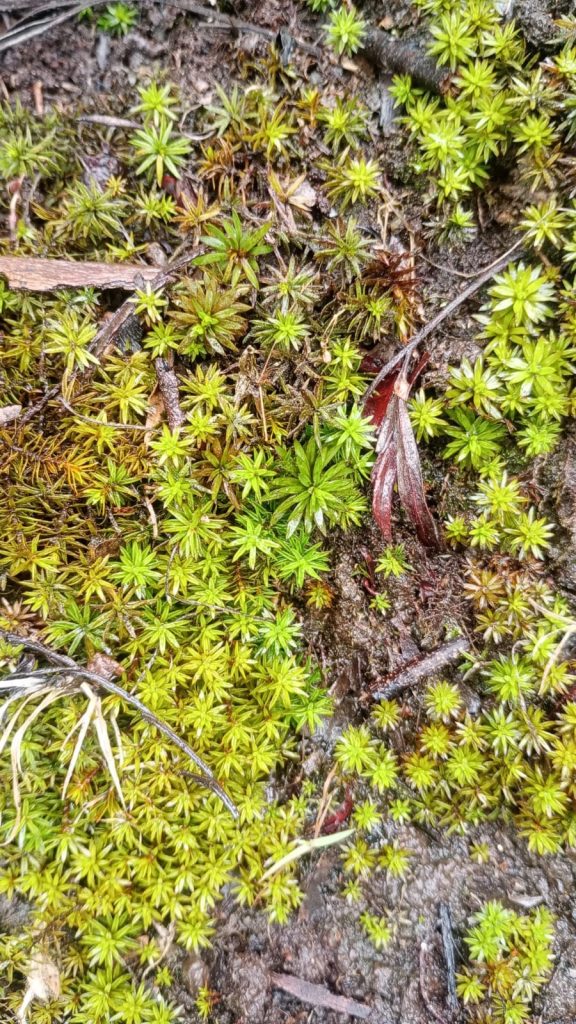
Serendipity was discovering that India always had its own tea. In the 1820s, the Brits chanced upon the Singpha tribe of Assam who had been brewing their own tea for many generations. In 15 years, tea bushes had reached the Nilgiris. And by 1838, tea was being shipped from here to England. Earlier tea used to be an annual crop, but under HADP, the horticulture department has tweaked the genes to make tea a perennial crop.
Tea bushes require some shade – so you have silver birch trees planted across the plantation. We also saw eucalyptus at the boundaries – serving as a wind breaker, as the Dodabetta peak area being the highest in the region, sees a lot of breeze. The garden also managed to create enough photo-ops for the tourists by having hundreds of flowering bushes on the campus. What made it more interesting was the presence of pear trees – with a strict warning of Rs 200 per pear penalty for any tourist who dares to touch a fruit. We enquired if any were for sale – and found out that at that time, there were none. Armed with the knowledge that pears are a local fruit, we did buy a kilo of the same later in the day.
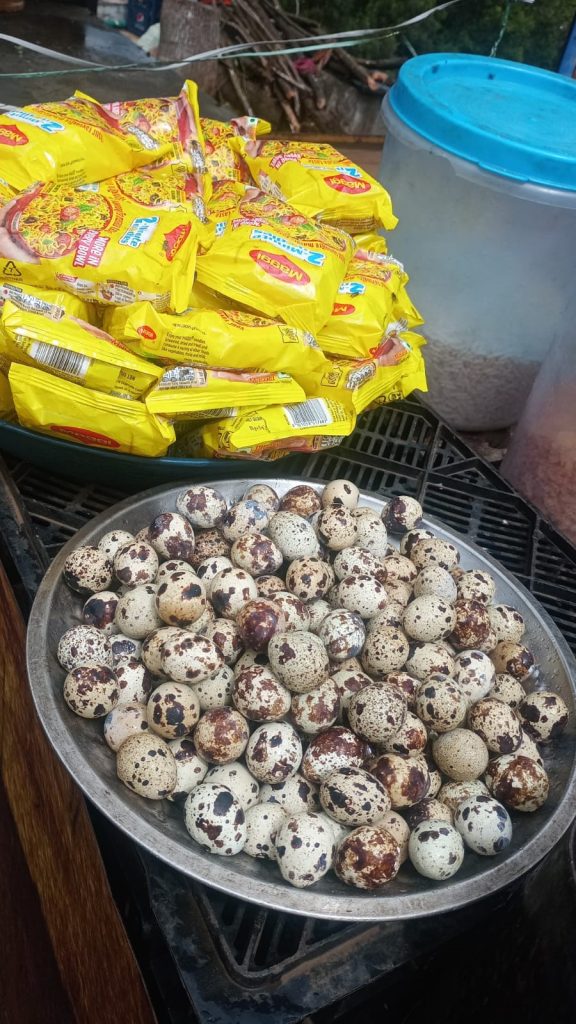
The tour done, we trekked back to Dodabetta base camp. Stopped en route at a roadside stall to sample quail eggs. They are rosgolla sized – and were served boiled with some veggies sauted in. They had a different flavour to it compared to hen eggs, but difficult to describe the difference. This time around, we could get a bus back to Ooty. Lunch was a repeat at Sri Durga. The girls were still under the weather – and decided to skip lunch. We tried in vain to get them to sample an early dinner at Thalasserry Thakkaram – but all they could get in was some soup and a small portion of veg biryani.
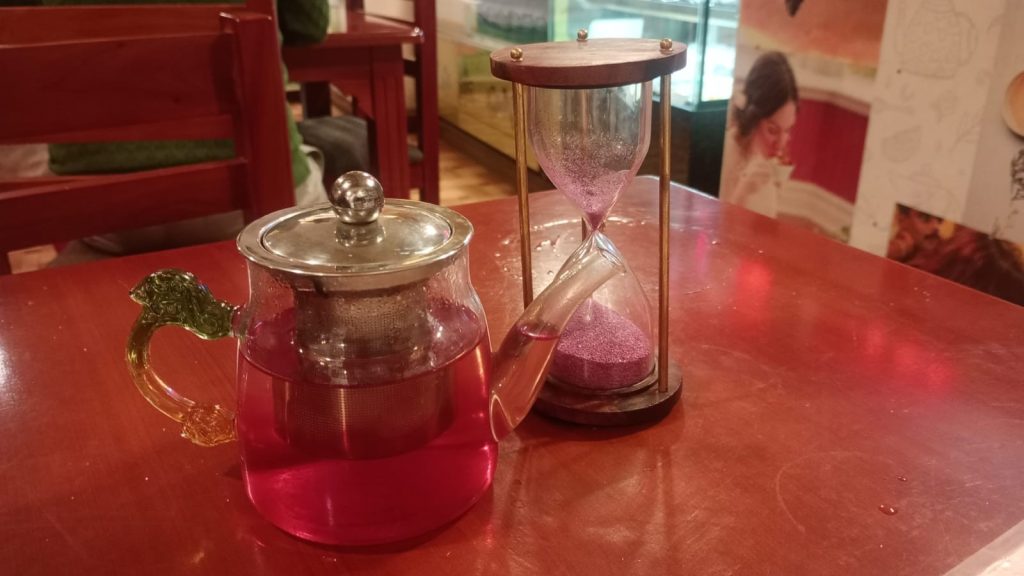
The missus and yours truly went for an evening walk to buy some medicines for the kids. On the way back we dropped in to a tea boutique near the stadium and sampled some fruit and flower infused tea. The dinner menu was limited – cutlets and sandwiches were also sampled. The parents took over childcare duties that night – and as a result ended up getting the viral fever themselves!
Ooty, Day 4
At the end of a long vacation, one just waits for it to end. The family sickness aided the dampening of the enthusiasm. Despite ill health, we decided to sustain our public transport policy – used public transport to reach the bus stand – changing two buses in the process. We reached 30 min early – and enjoyed a hot cuppa tea as we waited for the bus. The Kerala State Transport Corporation bus from Ooty to Sulthan Bathery was on time. And as promised on the ticket, it was a new bus – with nary a rattle. After a 45 min lunch break at Mettupalayam, we reached Coimbatore at 1530 hrs.
Coimbatore
I had mistakenly booked a hotel on dates that were a month later. I realised the mistake and cancelled the booking. Online research on the bus had shortlisted 3 hotels in the vicinity of the bus stand – and the daughters had selected Grand Palace as the most desirable. Since no bookings had been done, we decided to scout for hotels enroute. We found one just across the road – Hotel Shona, and in continuing with the sustainable tourism theme, opted for non-AC rooms. It had fourth floor rooms with a lovely balcony which was even more enjoyable because of the strong breeze. Coimbatore had clear skies – and unlike Pune, one could see quite a few stars at night. Along with the silhouetted hills.
Did some window shopping on the main jewellery and clothing market in Gandhipuram. Hunger pangs made dinner an early evening affair. We found a good waiter at Annapurna restaurant across the road. He happened to be from Pratapganj, close to Lucknow – the birthplace of yours truly. Thanks to the geography connection, he managed to get us to sample the iddi-appam, which normally is only available after 1800 hrs.
Lights-out were at 1930 hrs. Woke up feeling much better. Good enough to continue the sustainability pledge – and we trekked to the railway station, around 3 km away, sampling some appam and ragi balls at a restaurant close to the railway station. The advantage of dining close to the station, is that you can consume your entire buffer time. We reached platform 3, 8 minutes before the departure of Train number 11014, the Coimbatore Kurla Express, and we were feeling better already – almost as if we had reached home!